
Wills & Succession in Malta
A will is the one document that speaks when you no longer can. Drawing one up is an act of ordinary prudence rather than an admission of anything, and the law of Malta gives the notary a settled part in it — both in receiving the will and, in due course, in guiding those who inherit through what follows.
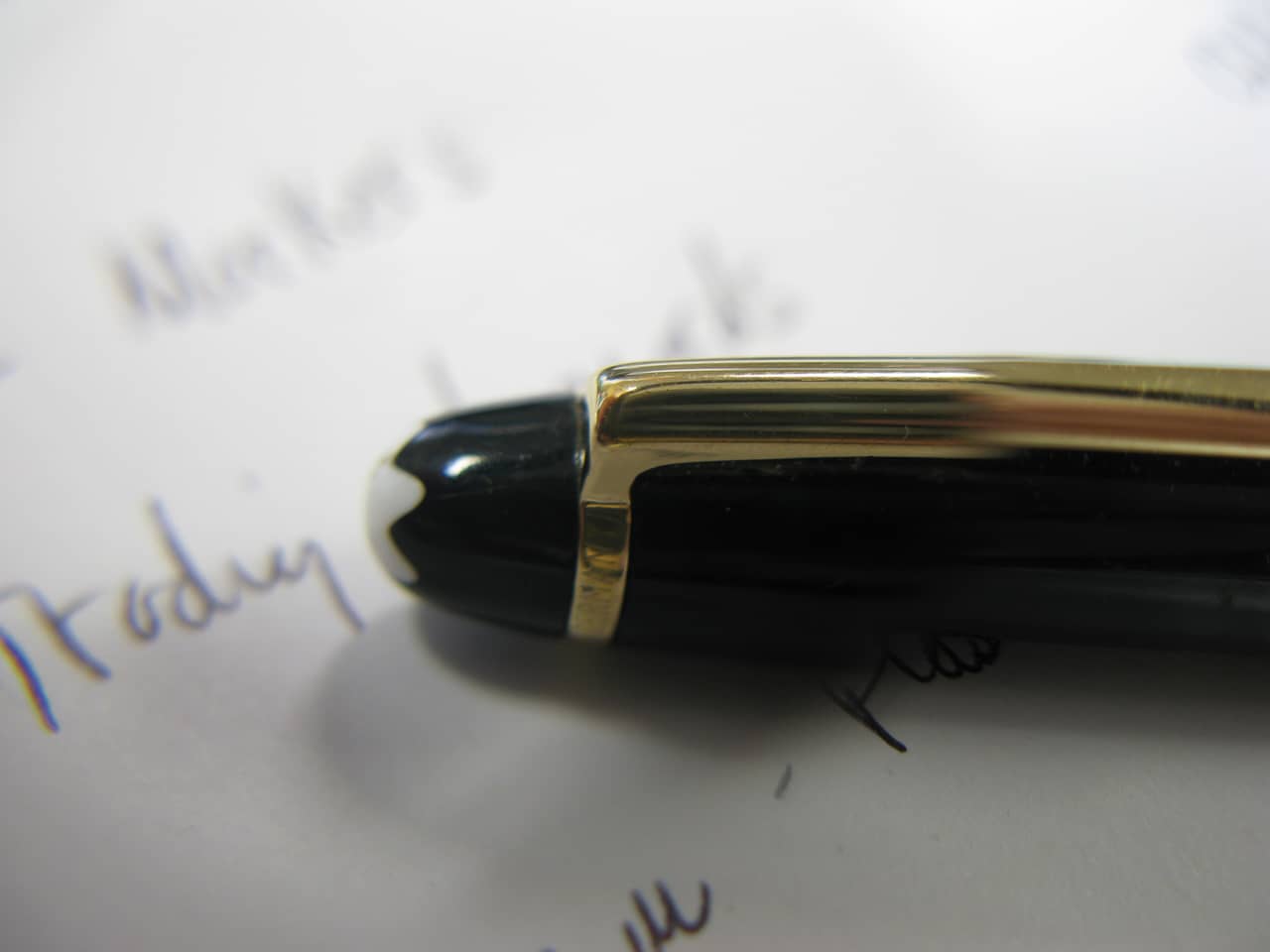
Making a Will
A public will is received by the notary, read to the testator, and enrolled in the notarial archives, where it is preserved and cannot be lost or suppressed. Its existence is registered, so that on death it will be found. We advise on the form the will should take, on the appointment of executors, and on the practical consequences of the dispositions proposed — including the reserved portion which Maltese law secures to certain heirs, and which no will may defeat.
Spouses frequently make a will unica charta, a single instrument in which both dispose of their estates together. It has particular characteristics as to revocation, and we explain them before it is made rather than leaving them to be discovered afterwards.
Establishing the Heirs
When a person dies, the first question is who succeeds. Where there is a will, the dispositions govern, subject always to the reserved portion. Where there is none, the succession devolves according to the order the Civil Code lays down, by degrees of relationship. We search for a will, establish the heirs, and set out the shares in which the estate falls to them.
Declarations causa mortis
The transmission of immovable property on death is recorded by a declaration causa mortis, received by the notary and registered. It identifies the deceased, the heirs, and the property devolving upon them, and it is the act by which the heirs’ title is made public. Duty is payable on the transmission, and we advise on what is due and on the reliefs the law allows, among them that available in respect of the ordinary residence.
Acceptance, Partition and Vesting
An inheritance may be accepted outright or with the benefit of inventory, and the choice carries consequences for the heir’s liability towards the creditors of the estate. Where several heirs hold in common and wish to hold separately, the estate is divided by a deed of partition. Where they prefer to sell, the transfer proceeds as any other, once the transmission has been declared.
Estates are seldom purely a matter of paper. We are conscious that the parties are a family before they are parties, and we conduct the work accordingly.
Other practice areas
Making a will, or settling an estate? We can help.
Make an enquiry